aveling with pets can be a rewarding experience, but it can also present challenges, especially on long journeys. Whether you're heading out for a family vacation, a move across the country, or a visit to the veterinarian, it's essential to ensure that your pet is calm and comfortable throughout the trip.
Traveling with pets can be a rewarding experience, but it can also present challenges, especially on long journeys. Whether you're heading out for a family vacation, a move across the country, or a visit to the veterinarian, it's essential to ensure that your pet is calm and comfortable throughout the trip.
Understanding Your Pet's Needs
Before embarking on a long journey, it's crucial to understand your pet’s specific needs and preferences. Every animal is unique, and their responses to travel can vary widely based on their personality, breed, and past experiences. Take time to consider the following:
1. Temperament and Behavior
Some pets may naturally be more anxious or restless during travel. Recognizing their behavior in advance can help you prepare appropriately. Consider the following:
Calm Pets: Dogs and cats that are generally calm may still need encouragement and monitoring during long journeys.
Anxious Pets: If your pet tends to be anxious in unfamiliar settings, they may benefit from additional calming measures.
2. Health Conditions
Assess any existing health conditions your pet may have. For example, older pets or those with mobility issues require extra consideration during travel. A consultation with your veterinarian prior to your journey can help you determine the best course of action.
3. Previous Travel Experience
Take note of how your pet has fared on previous journeys. If they’ve had a bad experience, it’s essential to address their fears and give them a sense of security during this trip.
Pre-Travel Preparations
Preparing your pet for travel involves more than just packing their belongings. Here are critical steps to take before you set out on your journey:
1. Schedule a Veterinary Check-Up
Before any long trip, schedule a visit to the veterinarian for a health check-up. This is especially important if your pet is older or has underlying health issues. The vet can provide:
- A thorough examination to ensure your pet is fit for travel.
- Any necessary vaccinations, especially if you are crossing state lines or entering areas with specific health concerns (e.g., tick-borne diseases).
- Recommendations for anxiety medications or calming supplements if your pet is prone to stress.
2. Update Identification Information
Ensure your pet's identification is updated. This includes:
- A collar with a tag that has your current phone number.
- A microchip registration that reflects your current address and contact information.
3. Choose the Right Travel Carrier or Restraint
Selecting an appropriate travel carrier or restraint is critical for both safety and comfort:
For Dogs: Use a sturdy, well-ventilated crate. Make sure it’s large enough for your dog to stand up, turn around, and lie down comfortably.
For Cats: Choose a secure carrier that has enough space for your cat to move but not so much that they feel insecure.
4. Pack a Travel Kit for Your Pet
Create a travel kit with all the essentials your pet may need during the trip. This kit should include:
- Food and water bowls
- Sufficient food for the duration of the journey
- Water (and a portable water bowl)
- Leash and harness
- Waste bags for dogs
- Comfort items, such as a favorite blanket or toy
- Any medications or supplements prescribed by your vet
Preparing Your Pet for Travel
Getting your pet ready for a long journey involves both mental and physical preparation. Here are some effective strategies:
1. Get Them Used to the Carrier or Vehicle
If your pet is not accustomed to being in a carrier or vehicle, it’s essential to acclimate them before the trip. Here’s how to do it:
For Car Travel: Take your pet on short car rides to help them get used to the motion and sounds of a moving vehicle.
For Carrier Training: Encourage your pet to spend time in the carrier leading up to the journey. Reward them with treats and praise when they enter the carrier voluntarily.
2. Maintain Routine
Pets thrive on routine, especially because any change can be stressful. In the days leading up to your trip:
- Stick to their regular feeding, exercise, and play schedule as much as possible.
- Familiarize them with your travel plans. If you’re using a new crate or carrier, allow them to explore it at home.
During the Journey
Once you're on the road (or in the air), several strategies can help keep your pet calm and comfortable throughout the journey.
1. Keep Them Secure
Ensuring your pet's safety during travel is paramount. Here are important guidelines:
In the Car: Always secure your pet in a carrier or with a restraint designed for pet travel. This prevents distraction and keeps them safe in the event of sudden stops or accidents.
Avoid Free-Roaming: Never allow your pet to roam freely in the car, as this presents safety risks for both them and the driver.
2. Make Frequent Stops
Plan regular breaks during your journey—every two to three hours is reasonable for most pets. Use these stops to:
- Allow your pet to relieve themselves and stretch their legs.
- Offer them water to stay hydrated.
- Provide a brief play session or some interaction to help alleviate boredom or anxiety.
3. Control the Temperature
Temperature control is crucial for your pet’s comfort during travel. Ensure that your environment is conducive to their needs:
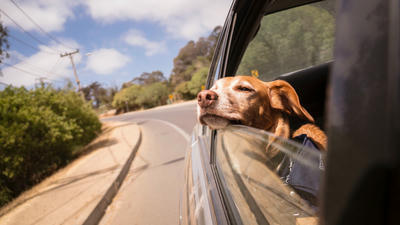
- Use air conditioning or open windows to ensure proper ventilation. Monitor your pet to avoid overheating.
- If traveling in colder weather, make sure they have adequate warmth, either through blankets or by adjusting the temperature in the vehicle.
4. Offer Food and Water Wisely
Feeding your pet during travel requires careful consideration:
Pre-Trip Meals: Feed your pet a light meal a few hours before departure to minimize the likelihood of nausea.
On the Road: If the journey is extremely long, offer small portions of food at breaks, rather than a full meal. Always carry water to keep them hydrated.
5. Provide Comfort Items
Bringing familiar items can help soothe your pet during the journey. Consider the following:
- Provide a favorite blanket or toy for comfort.
- Use pheromone sprays, calming collars, or calming music designed for pets to reduce anxiety.
6. Minimize Stressors
Try to create a calm atmosphere in the vehicle or travel environment:
- Limit loud music or noises.
- Avoid sudden movements or sharp turns that might startle your pet.
- Keep doors and windows secured to avoid accidental escapes.
Managing Anxiety During Travel
Many pets experience anxiety during travel, which can manifest as vocalization, restlessness, or even aggression. Addressing these issues proactively is essential:
1. Use Calming Aids
If your pet is prone to anxiety, consult your veterinarian about potential calming aids. Options may include:
- Natural supplements or herbs that promote relaxation.
- Prescription medications for severe anxiety, if recommended by your vet.
2. Create a Safe Space
During travel, create a safe space for your pet:
- Keep their crate or carrier covered with a blanket to provide a sense of security.
- Allow them to retreat into their carrier if they feel overwhelmed.
3. Stay Calm Yourself
Pets often pick up on their owner's emotions. Remaining calm and relaxed during the journey can help reassure your pet:
- Speak softly to your pet and use a comforting tone.
- Avoid displaying signs of stress or impatience.
Special Considerations for Air Travel
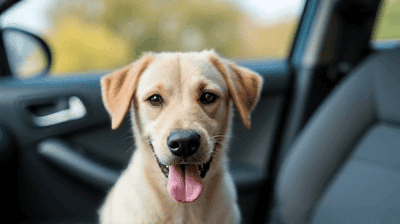
If you’re flying with your pet, additional preparations are necessary to keep them calm and comfortable. Here's what to consider:
1. Check Airline Policies
Every airline has its own regulations regarding pet travel, including:
- Size and weight restrictions for in-cabin or cargo travel.
- Health certificates or vaccinations that may be required before flying.
- Fees associated with pet travel.
2. Book a Direct Flight
If possible, book a direct flight to minimize travel time and reduce the stress of layovers. Direct flights are generally less taxing for pets.
3. Arrive Early
Arrive at the airport with ample time to navigate check-in and security. Moving quickly through this process can reduce anxiety for both you and your pet.
4. Consider Pet Travel Services
If traveling with your pet feels overwhelming, consider pet travel services that specialize in pet relocation. These services ensure that your pet is handled safely and with care.
After the Journey
Once you've arrived at your destination, it’s important to help your pet acclimate to their new surroundings:
1. Allow for an Adjustment Period
Whether you've traveled across the country or just to a new neighborhood, your pet will need time to adjust. Give them space to explore their new environment at their own pace, ensuring to supervise them closely.
2. Re-establish Routine
Continue to follow your pet’s routine of feeding, walking, and playtime to provide comfort and stability. Familiarity in their routine will help alleviate anxiety and establish a sense of normalcy.
3. Monitor Behavior
Watch for signs of anxiety or behavioral changes as your pet adjusts to their new surroundings. If they seem to be struggling, consult with a veterinarian or animal behaviorist for additional support.
4. Provide Plenty of Love and Attention
Reassure your pet with love and attention. Spend quality time with them to reinforce that they are safe and cared for in their new environment.
Travel Safety Tips
To ensure a safe journey for your pet, consider the following travel safety tips:
1. Never Leave Pets Alone in Vehicles
Leaving pets alone in hot or cold vehicles is extremely dangerous and can lead to severe consequences, including heatstroke or hypothermia. Always bring them with you or leave them home.
2. Utilize Seat Belts and Restraints
Always secure your pet in the vehicle with harnesses or carrier restraints. This prevents distractions while driving and ensures a safer trip.
3. Prepare for Emergencies
Anticipate unexpected situations by having an emergency kit, including:
- A pet first aid kit
- Important documents, such as vaccination records
- Contact information for local veterinarians at your destination
4. Keep Pets Calm During Stops
During breaks, keep your pet on a leash, especially in unfamiliar areas. This prevents escape or injury and allows for safer exploration.
Conclusion
Traveling with pets requires careful planning, consideration, and preparation to ensure their comfort and well-being. By understanding your pet’s needs, providing the right resources, and implementing calming techniques, you can create a positive travel experience for both you and your furry companion.
Whether you are embarking on a long journey for leisure or necessity, the memories made during your travels together will last a lifetime. With the right approach, you can keep your pet calm and comfortable on long journeys, allowing for a smooth and enjoyable adventure.
In the end, remember that each trip is an opportunity to strengthen the bond with your beloved pet. Embrace the journey, cherish the moments, and always prioritize your furry family member's comfort and happiness.